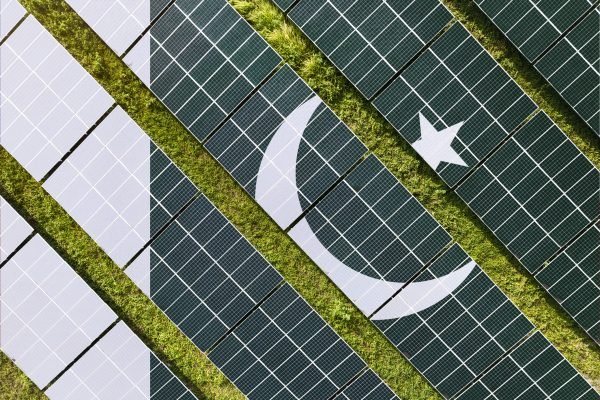
Pakistan’s solar energy technology has surpassed 20 p.c of the nation’s complete electrical energy manufacturing. Whereas this transition towards clear power is a constructive growth, it’s the consequence of an unplanned shift within the nation’s power panorama.
In line with the World Nuclear Trade Standing Report (WNISR) 2026, photo voltaic technology in Pakistan reached an estimated 36.3 terawatt-hours (TWh) in 2025. This accounts for roughly 21.6 p.c of Pakistan’s complete electrical energy technology after rising about 85 p.c in a single 12 months.
The WNISR report gives vital background on this transformation. In Pakistan, solar-led energy technology has not solely expanded quickly lately however has additionally overtaken nuclear energy technology for the primary time. The report additional notes that Pakistan put in roughly twice as a lot photo voltaic capability in 5 years as France managed in a decade.
Furthermore, Pakistan imported greater than 58 gigawatts (GW) of photo voltaic panels from China between the start of 2017 and mid-2026. Of this, round 40 GW arrived in simply two and a half years, from 2024 to mid-2026. These imports over such a brief interval illustrate how shortly Chinese language photo voltaic manufacturing discovered a significant market in Pakistan amid falling panel costs and surging home electrical energy prices.
The surge has made Pakistan the second-largest single-country import marketplace for Chinese language photo voltaic panels, simply behind the Netherlands. This information underscores the size and pace of the change underway within the nation.
In addition to, the photo voltaic technology figures popping out of Pakistan are probably underestimations for a number of causes.
A considerable quantity of privately put in photo voltaic capability throughout the nation stays unregistered and doesn’t go by way of the state-controlled grid. In lots of instances, a lot of this capability is put in on rooftops and industrial websites, the place households and companies generate and retailer energy for their very own use with out changing into a part of the nationwide grid. This pattern has largely been pushed by excessive electrical energy tariffs, frequent load-shedding and the falling price of Chinese language photo voltaic panels. All of this has created a powerful incentive for shoppers to bypass the nationwide grid system altogether.
Whereas this shift is probably going lowering the demand for grid-supplied electrical energy, it’s impacting Pakistan’s energy sector challenges and the nation’s mounting capacity-related debt considerably.
For example, as high-usage households, companies, and industrial shoppers go away the nationwide grid, energy distribution corporations and remaining clients are left to shoulder a heavier burden of fastened prices. This basically implies that capability funds for underutilized energy crops proceed in Pakistan. On the identical time, total electrical energy consumption recorded by distribution corporations has declined throughout the nation.
This case has put coal-based energy agreements reached by Pakistan beforehand with native and worldwide corporations beneath intense scrutiny. Whereas photo voltaic adoption is surging throughout the nation, Pakistan stays dedicated to long-term contracts that require heavy fastened funds to coal plant operators even when their crops stay idle or function effectively under capability. In consequence, long-standing energy buy commitments have grow to be a significant monetary burden for Pakistanis, whilst they grapple with pressures because of the present financial strains going through the nation.
You will need to notice that Pakistan’s 23 loss-making state-owned enterprises collected roughly $1.24 billion in losses within the first half of Monetary Yr 2026. That is roughly equal to round $10 million per working day. On the identical time, complete state-owned enterprises’ debt, excluding sovereign ensures, rose 14 p.c to roughly $36.5 billion.
On this context, the fast progress of solar energy technology will not be solely a narrative of fresh power entry and price financial savings for many who can afford panels, however it’s also accelerating monetary stress inside the formal energy sector and complicating efforts to handle round debt and capability obligations of the Pakistani state.
For instance, for strange shoppers who stay absolutely depending on the nationwide grid, prices will probably proceed to rise because the buyer base continues to shrink. In the meantime, for the power market as a complete, the transition raises basic questions on planning, tariff design and the longer term function of large-scale coal and nuclear energy in a system more and more formed by solar energy technology.
That mentioned, Pakistan’s power future will rely upon higher planning and reform by the state. Policymakers ought to reorganize and renegotiate power-sector contracts and grid administration to suit the brand new actuality formed by widespread solar energy technology.
With out proactive reforms, the hole between solar energy shoppers and the struggling nationwide grid will solely proceed to widen and pressure the economic system.