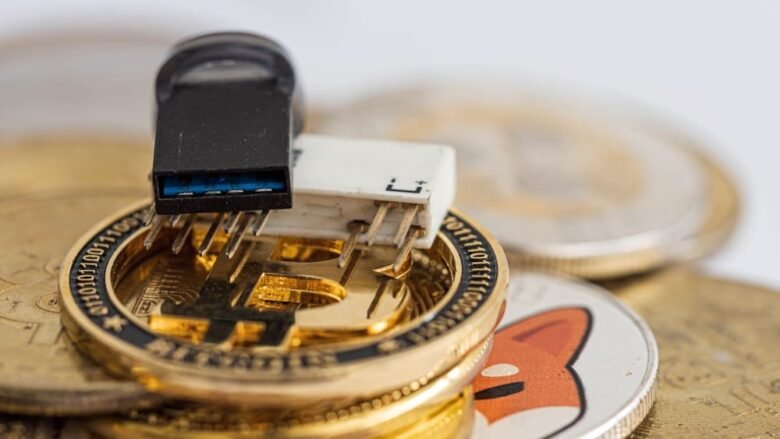
Placing a cryptocurrency personal key or restoration phrase straight right into a will might expose beneficial digital belongings throughout probate. Securely saved credentials and clear directions may also help heirs entry inherited crypto with out compromising pockets safety. Ok.unshu/Shutterstock
Cryptocurrency has grow to be a comparatively regular a part of property planning, with an estimated 560 million to 742 million individuals worldwide holding some type of crypto. Many individuals have spent a big period of time constructing a portfolio, stacking as much as six figures or extra. However sadly, many individuals don’t have any clue how they will go away their digital belongings to their heirs in a means that protects their investments.
Not like a conventional checking account, cryptocurrency held in a self-custody pockets usually can’t be recovered by calling customer support or presenting a demise certificates. With out the mandatory personal keys or restoration info, heirs could completely lose entry to the belongings. However placing that info straight into your will can create a special and probably costly safety drawback. Right here’s what each particular person holding crypto must know.
Why Your Will Is the Mistaken Place for a Non-public Key
A conventional will identifies who ought to inherit your property, but it surely isn’t designed to securely retailer delicate monetary credentials. In response to the American Bar Affiliation, wills submitted for probate could grow to be a part of the general public court docket document, probably exposing info included within the doc. In case your cryptocurrency personal key or pockets restoration phrase seems in a publicly accessible submitting, somebody who obtains it might be able to switch your belongings with out permission.
Not like a stolen bank card, a compromised cryptocurrency pockets usually doesn’t provide a simple course of for reversing unauthorized blockchain transactions. The safer method is to establish digital belongings in your property plan whereas protecting the knowledge wanted to entry them in a separate, safe location.
Your Household Can Legally Inherit Crypto and Nonetheless Lose It
One of many greatest challenges in crypto property planning is the distinction between legally proudly owning cryptocurrency and having the technical capability to entry it. A will would possibly clearly go away Bitcoin to a surviving partner or grownup youngster, however that authorized instruction doesn’t mechanically present entry to a self-custody pockets. The Client Monetary Safety Bureau warns that crypto belongings carry distinctive dangers, together with the opportunity of shedding entry to funds when important account info is unavailable.
For instance, an executor might know {that a} deceased relative owned $80,000 in Bitcoin however don’t know which pockets holds it or the place the restoration phrase was saved. And not using a workable entry plan, these belongings might stay inaccessible indefinitely, no matter what the need says.
Create a Separate Digital Asset Stock
As an alternative of placing passwords and personal keys right into a will, cryptocurrency homeowners ought to create a separate stock figuring out their digital belongings. This doc can checklist the kinds of cryptocurrency owned, the exchanges or wallets used, and the overall location of the knowledge wanted for licensed entry.
For example, somebody would possibly document that they maintain Bitcoin in a {hardware} pockets saved in a house secure and Ethereum by way of a selected cryptocurrency alternate. The stock mustn’t casually mix pockets areas, restoration phrases, passwords, and different delicate info in a single unprotected doc. As a part of a complete crypto property planning technique, the stock must be up to date every time belongings are transferred, new accounts are opened, or safety preparations change.
Retailer Restoration Data Someplace Safe
For cryptocurrency held in self-custody, defending the restoration phrase is important as a result of it could present full management over the pockets. The Federal Commerce Fee explains that cryptocurrency transactions will be tough or inconceivable to reverse, making the safety of delicate entry info notably necessary. Some homeowners use a safe bodily secure, fastidiously managed offline storage, or specialised digital asset custody preparations to guard their credentials.
Nevertheless, protecting the one copy of a restoration phrase in a location that no person can establish or entry after demise defeats the aim of property planning. A certified property lawyer and cryptocurrency safety skilled may also help develop a system that protects credentials throughout your lifetime whereas offering a lawful, managed course of in your executor or beneficiaries.
Give Your Executor Authorized Authority to Deal with Digital Belongings
Having the restoration info obtainable is barely a part of a profitable crypto property planning technique. Your executor additionally wants acceptable authorized authority to handle digital belongings, talk with custodians, and switch property to beneficiaries. Many states have adopted variations of the Revised Uniform Fiduciary Entry to Digital Belongings Act, which establishes guidelines for fiduciaries searching for entry to sure digital information and accounts.
However these legal guidelines don’t magically get well lacking personal keys or assure entry to each cryptocurrency platform. Ask an property lawyer conversant in your state’s legal guidelines to incorporate acceptable digital asset provisions in your will, belief, or energy of lawyer with out revealing the precise credentials in paperwork that might grow to be public.
Perceive the Distinction Between Exchanges and Private Wallets
Not all cryptocurrency inheritance conditions contain personal keys managed straight by the deceased proprietor. In case you maintain cryptocurrency by way of an alternate similar to Coinbase, the corporate usually controls the underlying pockets credentials and should have a proper course of for transferring belongings after demise.
In response to Coinbase’s official directions, representatives claiming a deceased buyer’s belongings should present documentation that may embrace a demise certificates, probate information, identification, and switch directions. Coinbase additionally states that it doesn’t presently help beneficiary designations for particular person accounts, which means property paperwork or relevant inheritance legal guidelines decide who receives the belongings.
Against this, a self-custody pockets usually has no customer support division able to restoring misplaced entry, making advance planning particularly necessary.
Make Certain Somebody Is aware of What to Do
Even a fastidiously ready crypto property planning doc could show ineffective if no person is aware of it exists. Take into account telling a trusted executor or designated successor that you just personal cryptocurrency, the place the property stock is saved, and which lawyer or skilled can clarify the entry process. This doesn’t imply handing over unrestricted management of your investments when you’re alive or sharing restoration phrases by way of odd e mail.
As an alternative, set up clear directions figuring out who ought to obtain entry, below what circumstances, and the way the knowledge will be retrieved securely. A sensible plan must also account for emergencies involving incapacity, as a result of somebody could must handle your monetary affairs earlier than demise relatively than afterward.
Take into account the Monetary Prices of Getting It Mistaken
The implications of poor cryptocurrency inheritance planning can prolong properly past the unique funding quantity. Think about somebody buying $10,000 in Bitcoin years in the past and watching the holdings develop to $100,000, solely to go away behind a {hardware} pockets with out usable restoration info. Their beneficiaries would possibly legally inherit the cryptocurrency however stay unable to promote it, switch it, or use the proceeds for retirement bills. Households may additionally face authorized charges, probate prices, and extra skilled bills whereas making an attempt to determine possession or find lacking accounts.
The SEC’s investor steerage emphasizes that shedding personal keys or restoration phrases can completely remove entry to self-custodied cryptocurrency, underscoring why a comparatively small funding in property planning can shield substantial belongings.
Evaluate Your Plan Earlier than Your Household Wants It
Cryptocurrency holdings can change shortly as buyers buy extra belongings, swap exchanges, or change {hardware} wallets. An property stock created a number of years in the past would possibly level to an deserted account or an outdated storage location, leaving heirs confused once they want correct info most.
Evaluate your crypto property planning preparations a minimum of yearly and after vital modifications to your investments, household circumstances, or account safety. Verify that your executor stays prepared and able to dealing with digital belongings, and contemplate whether or not specialised skilled help could be acceptable for a sophisticated portfolio. Most significantly, be sure your directions stay accessible to licensed people with out creating an pointless safety threat throughout your lifetime.
Your Crypto Inheritance Wants Extra Than a Identify in a Will
Leaving cryptocurrency to family members requires extra preparation than merely naming a beneficiary in an property planning doc. A safe crypto property planning technique ought to establish the belongings, set up authorized authority, shield personal keys, and supply a sensible course of for licensed entry. Protecting restoration info separate from a will helps cut back the chance of exposing delicate credentials by way of probate information or different doc disclosures. Working with an skilled property lawyer and reviewing your preparations usually may also help guarantee your investments stay each safe and accessible to the individuals you propose to inherit them.
In case you personal cryptocurrency, have you ever made preparations for somebody to entry it after your demise, or would your loved ones be left trying to find passwords and personal keys? Share your ideas within the feedback.
What to Learn Subsequent
18 Attorneys Common Warn Federal Crypto Invoice May Weaken State Fraud Protections
Money You Feed Right into a Bitcoin ATM Is Gone for Good — The FTC Warning Seniors Maintain Lacking
Would You Somewhat Give Your Youngsters Their Inheritance at 30 or Make Them Wait Till You Die?
Drew Blankenship is a seasoned private finance and way of life author with greater than a decade {of professional} writing expertise crafting clear, actionable recommendation that helps savers and buyers over 40 shield their wealth and make smarter on a regular basis selections. His bylines seem usually on SavingAdvice.com, CleverDude.com, and different revered retailers, the place he attracts on deep trade information to ship sensible insights on price management, good spending, and long-term monetary safety.